 Note: The links in this post are affiliate links.
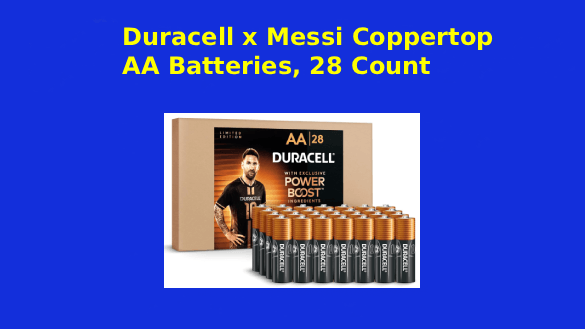
My “Pick” for today is this 28-Pack of powerful Duracell x Messi Coppertop AA Batteries.
Like most families, yours probably has lots of gadgets that use AA batteries, and those things can get rather expensive over time. That’s why I use these long-lasting Coppertop batteries from Duracell.
Duracell’s exclusive Power Boost ingredients deliver lasting performance in your devices. They also have a guaranteed 12 year shelf life so you can stock up on them for use in future emergency situations without having to worry about them going bad before you end up needing to use them.
Click here to check out the Duracell x Messi Coppertop AA Batteries at Amazon.
Did you miss (or want to revisit) one of my earlier picks? You might find it right here.
 A few carefully chosen travel accessories can prevent dead batteries, misplaced essentials, and hours spent dragging a suitcase around town. The best upgrades solve specific problems without adding much weight to your bag.
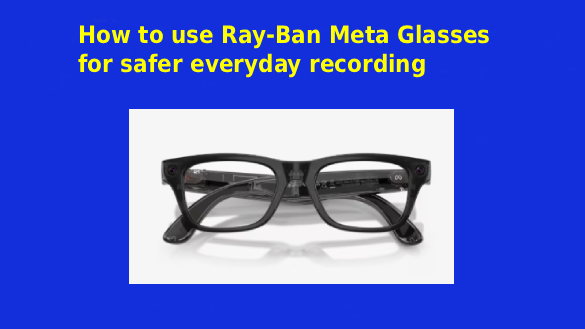 Recording glasses make it possible to capture a moment without holding a phone or setting up a camera. That convenience can be valuable during walks, family activities, travel, creative projects and everyday events that happen too quickly for traditional filming.
 If you have been seeing smart glasses pop up more often and wondering whether they are actually worth the extra money over a regular pair of sunglasses, you are not alone. The honest answer is that it depends entirely on how you use sunglasses in the first place, and what problems you are actually trying to solve.
 Introduction