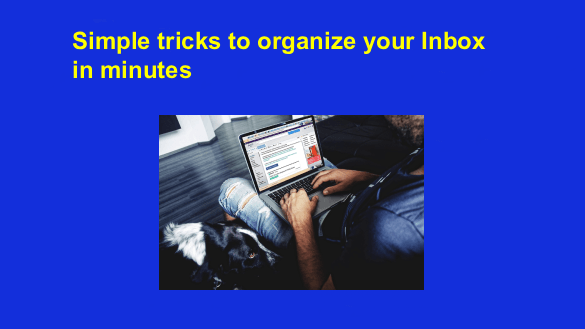
 Introduction: Why Inbox Clutter Is More Than an Annoyance
Email overload is one of the most common productivity killers in modern work and personal life. The average office worker receives over 120 emails per day, according to recent workplace studies, and many users never fully catch up. The result is not just inconvenience—it’s cognitive overload, missed opportunities, and unnecessary stress.
A disorganized inbox forces you to constantly scan, re-read, and mentally track messages. This drains focus and reduces efficiency. The good news is that you don’t need complex systems or expensive tools to fix this. With a few simple, proven techniques, you can organize your inbox in minutes and maintain it with minimal effort.
[Read more…]
 Businesses nowadays have a lot of pressure to cater to many different audiences and demographics, some of which are used to paying with cash, and others who are digitally savvy enough to use all manner of online banking types.
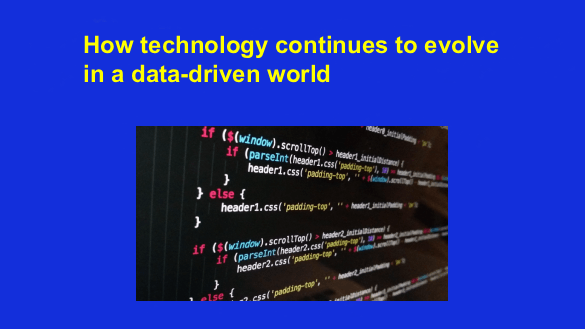 Long days have a way of revealing the truth. Technology is everywhere, whether anyone notices or not.
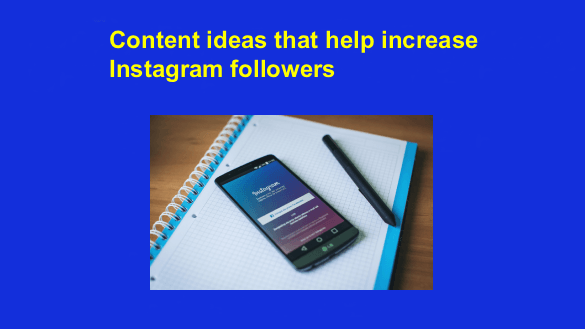 Standing out now takes more than pretty photos; it demands ideas that snap attention, spark conversation, and keep people coming back every day. But good ideas can feel slippery when you’re posting three times a week, editing reels on trains, and juggling brand deals.
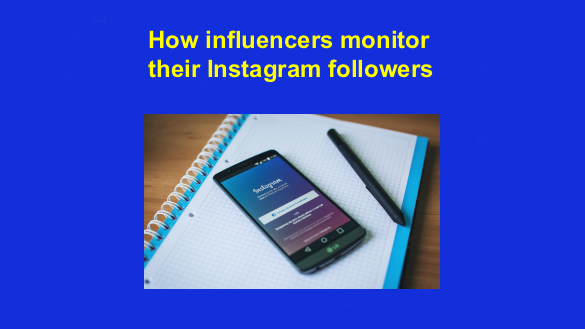 Follower counts can rise, stall, or dip without giving much detail on their own. Influencers usually want more than a headline number because audience movement often says something about content fit, timing, and how people respond after a post goes live.